Water decides the trade
In 1080 freight cost 4 文 a 斤 per 100 里 by road and 1 by boat. Pick a good and a distance and see what it costs on arrival.
Grey is the price paid at the source; colour is the freight. Freight rates: 沈括, via 郭正忠《宋代盐业经济史》p.685. Prices: the song_economy research tables.
A run, and then another
The player heads a house of three to five kin. Each kin member can lead a boat, a cart train or a shop, so the family's size limits how much the house can do at once.
- ReadPrices from letters home, rumours of harvests, the court's grain calls.
- PlanWhat to buy, and whether it goes by water or by road.
- TravelDays on the map: tax stations, low water, floods, bandits.
- SellThen buy boats, workshops, land, or lend through a pawnshop.
- The houseChildren marry and sit exams, and an heir takes over.
Between runs the clock keeps moving: the game runs from 1080 to the fall of Kaifeng in 1127. You lose if the house goes bankrupt or its line dies out.
The world runs without you
- Pops earn wages and spend them by income
- NPC merchants close price gaps between towns
- The court taxes, pays its soldiers, mints and buys
- Harvests fail, rivers flood, rival houses buy standing
What the genre has never had
- 入中: deliver grain to the frontier, get salt vouchers that trade at a discount
- 商税 tax stations: every route pays its tolls
- 市舶司 sea trade at 廣州, 泉州 and 明州
- The New Policies of 1069–86 change the rules mid-game
Four steps up
Each step answers one question before the next is built.
Simulation core
Headless: markets, pops, industries, NPC merchants, the coin ledger. A year runs in seconds.
Does the period economy hold up without a host game?The eastern core
98 provinces from Kaifeng to the Yangtze and Jiangnan, at full density: half the realm's households. 25 goods, a house of 3–4 kin, boats and carts, a warehouse, a workshop, loans, two or three rival houses.
Is carrying goods across this map fun?The realm
All 313 provinces, vouchers, sea trade, the court and mint, marriage, exams, succession, written events.
Does the house hold your interest for fifty years?Living history
The Xia war, the repeal of 1086, paper money, the 1120s inflation, migration, foreign markets, and perhaps the ~1,250 counties as provinces.
Is every playthrough different?One painter's hand
18 test images from the ComfyUI box, all with the same style text: Northern Song 工笔, mineral colours on silk. Click any image to enlarge it.
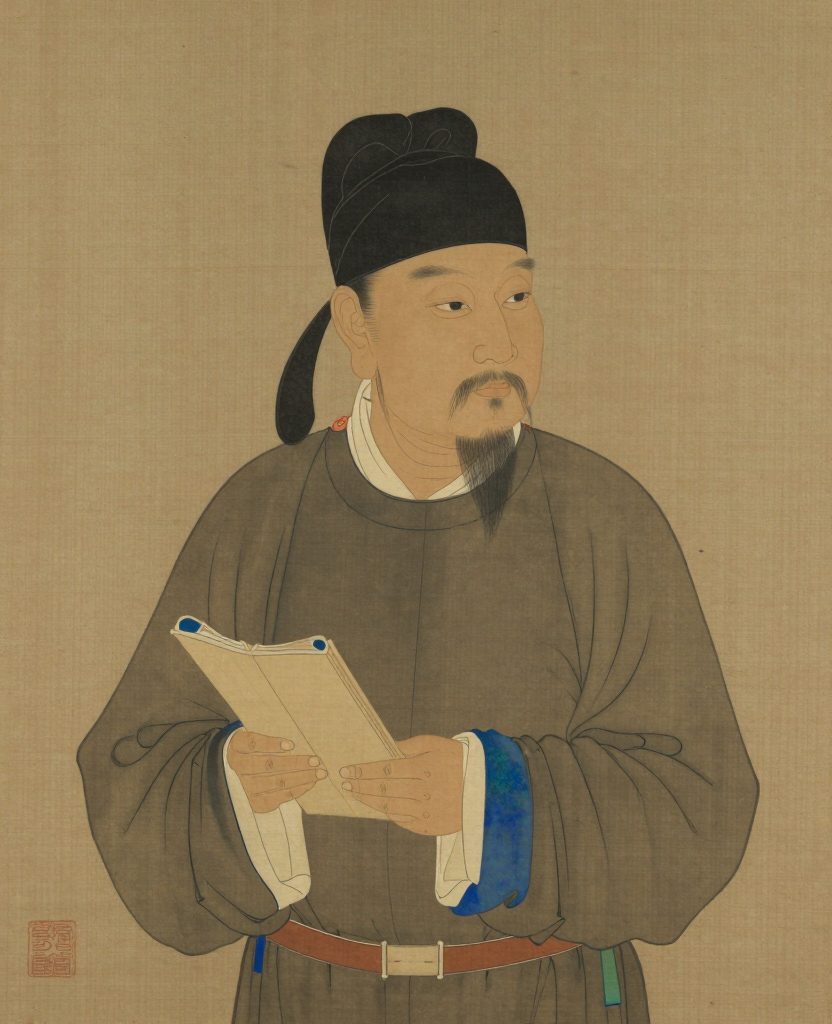
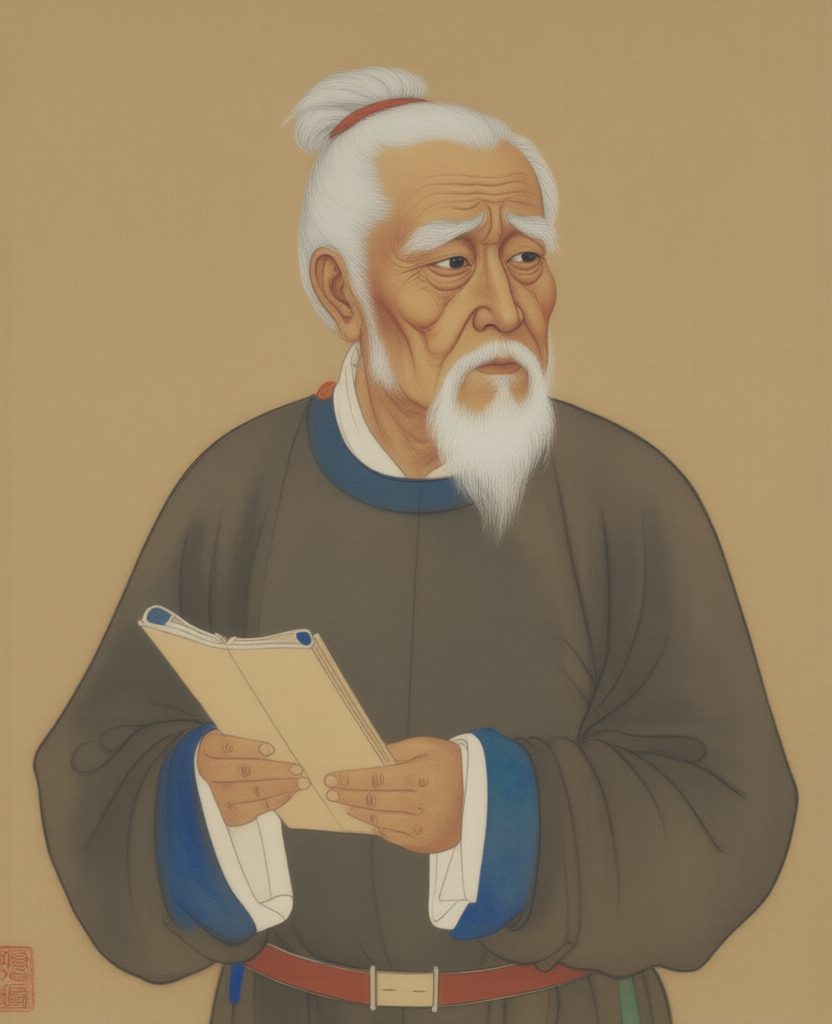
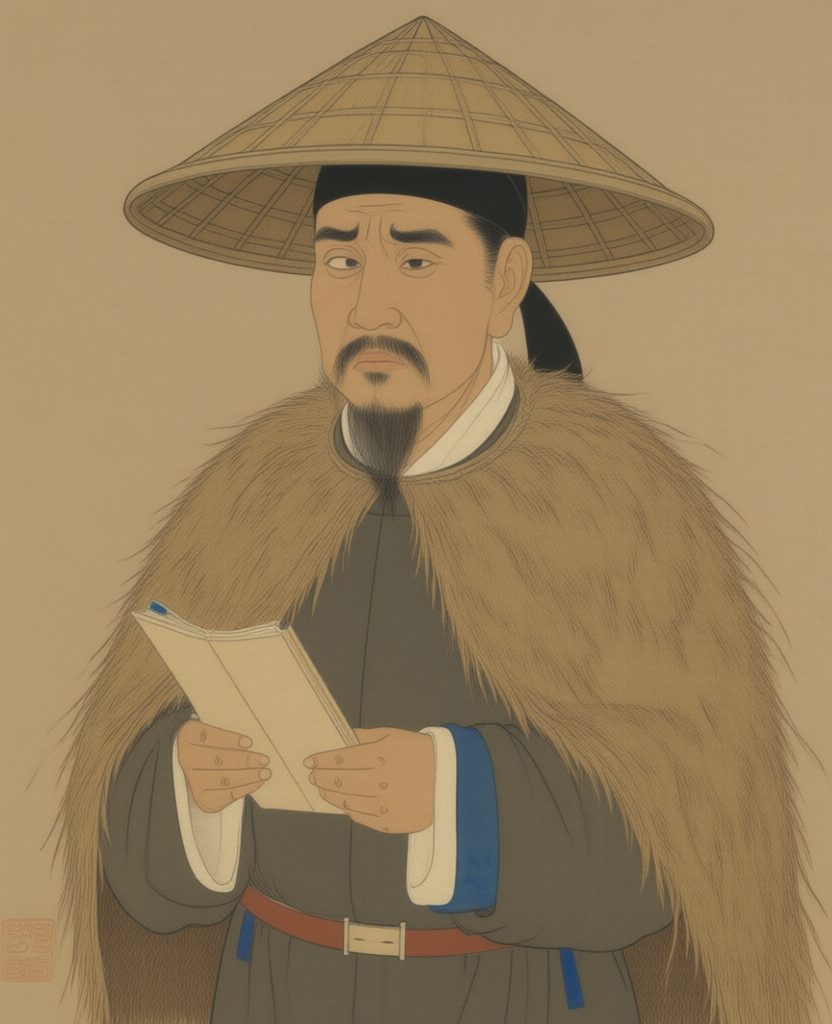
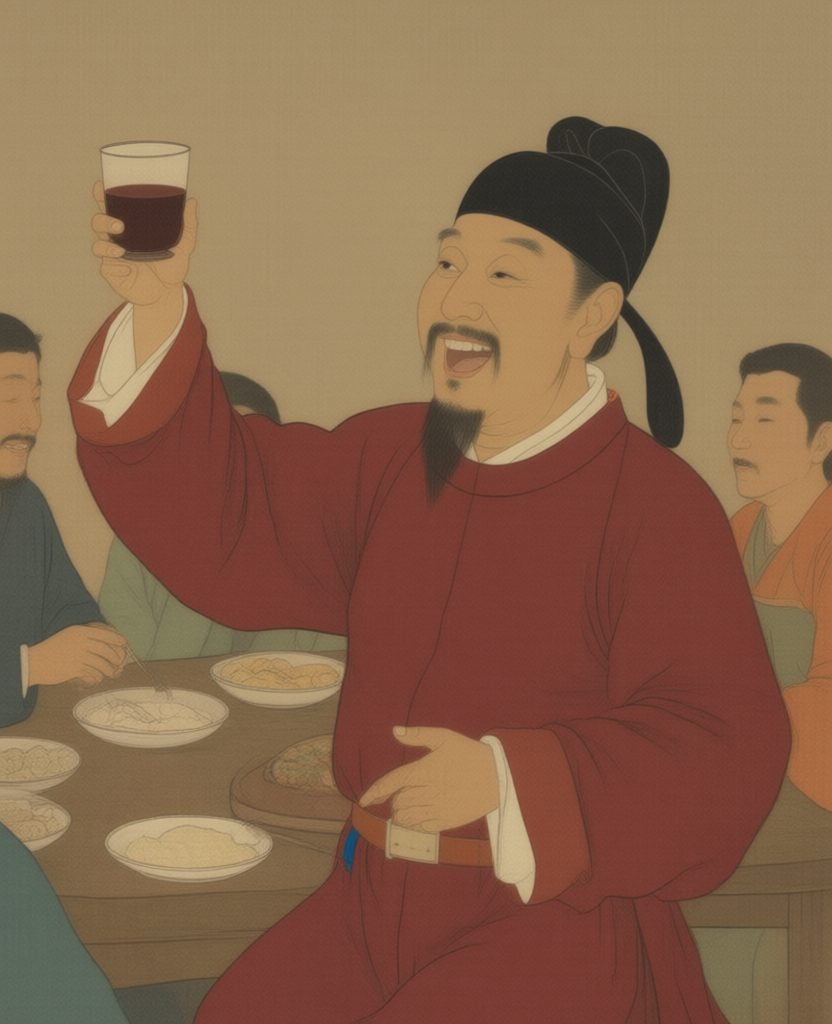
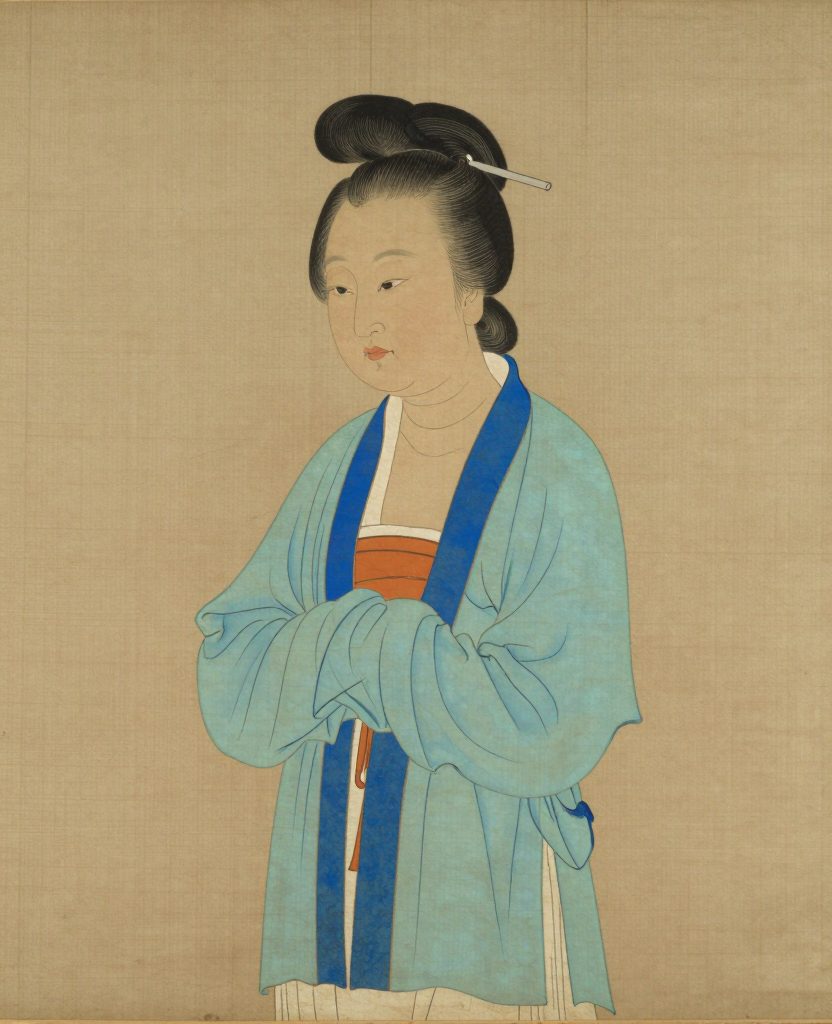
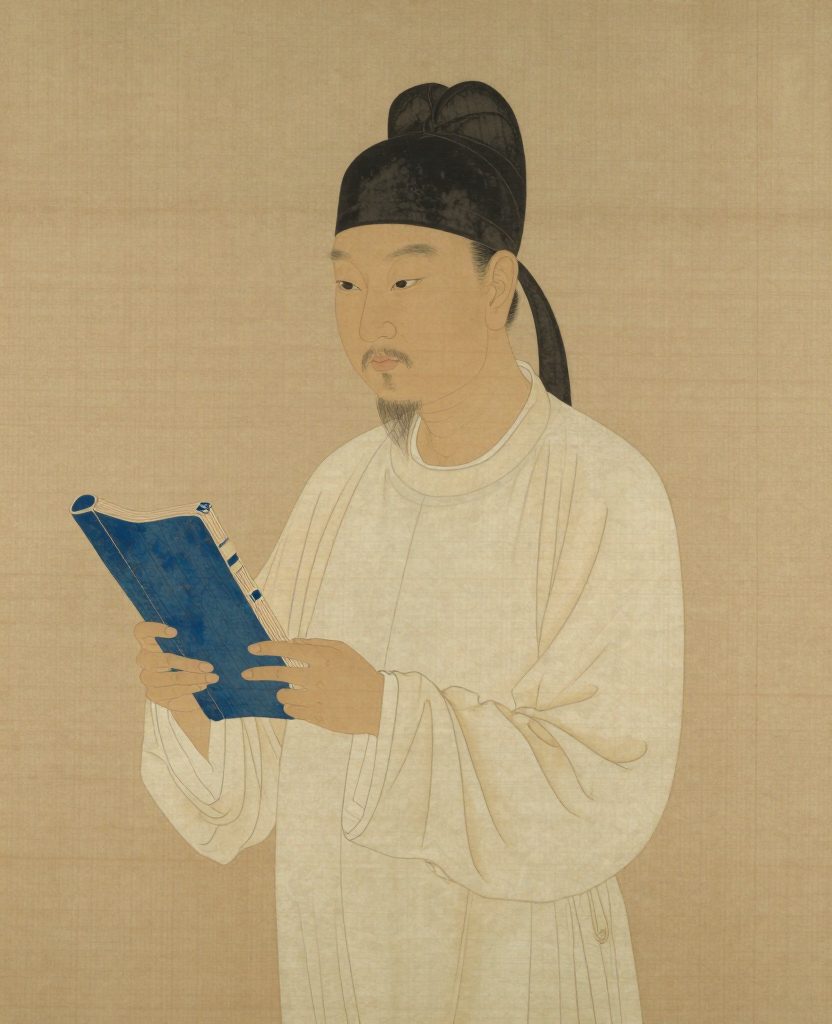
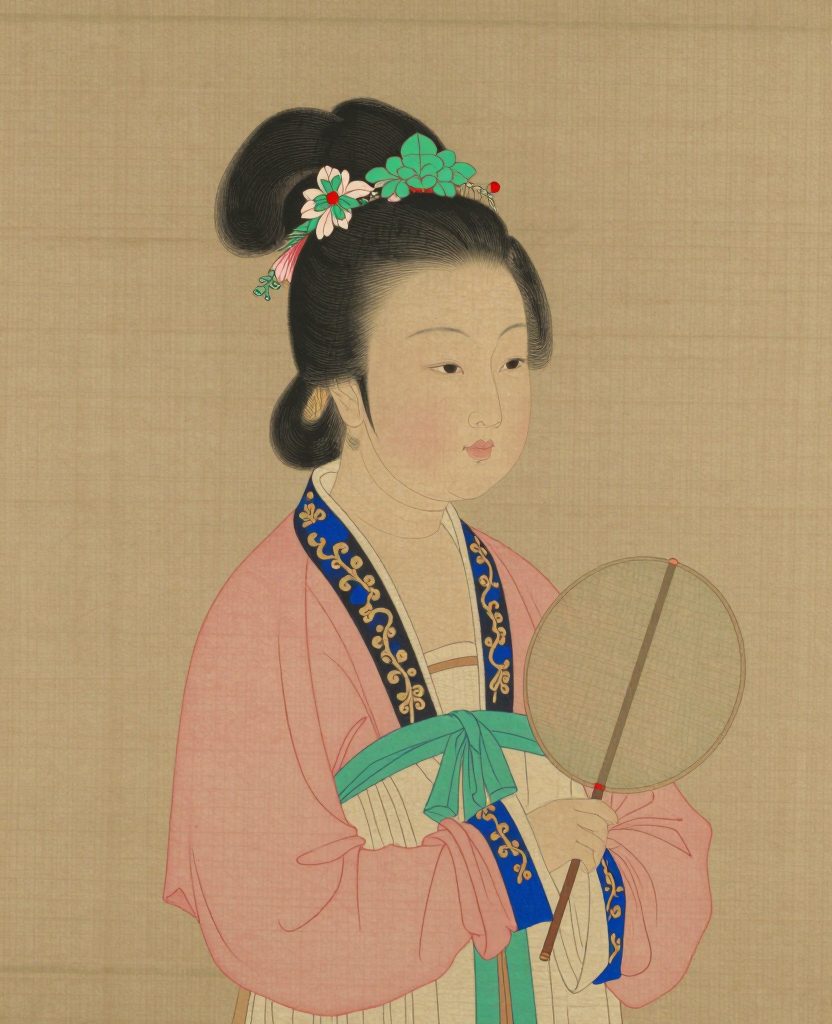
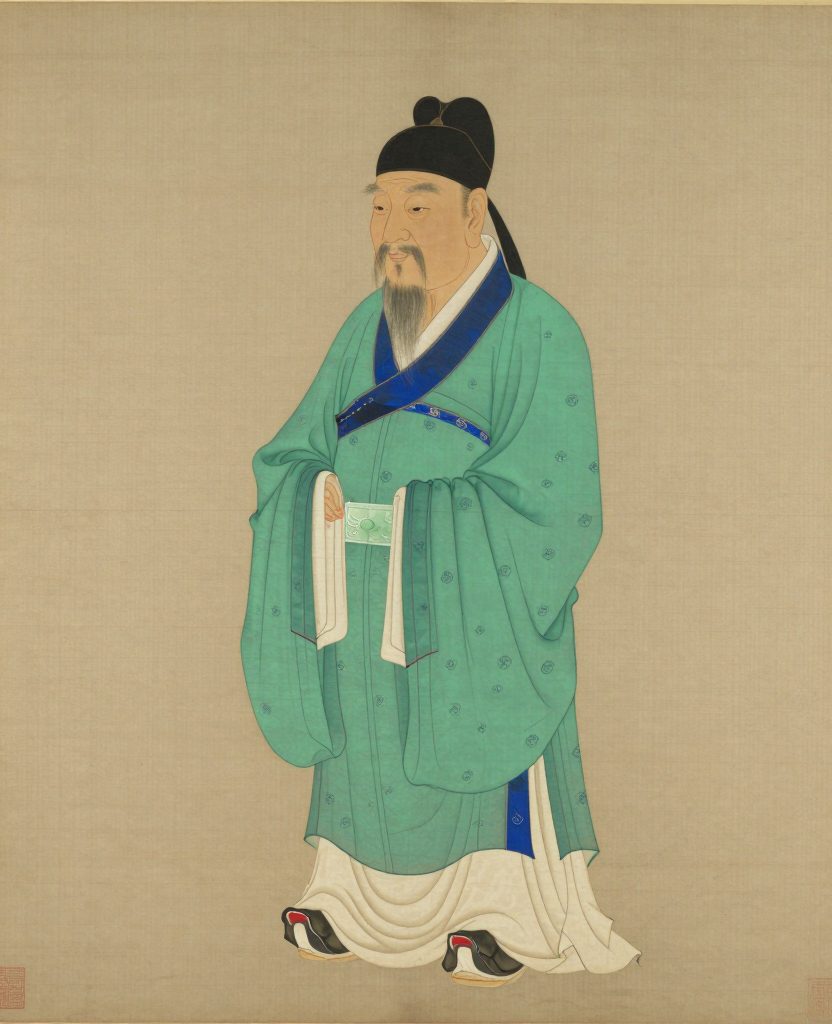
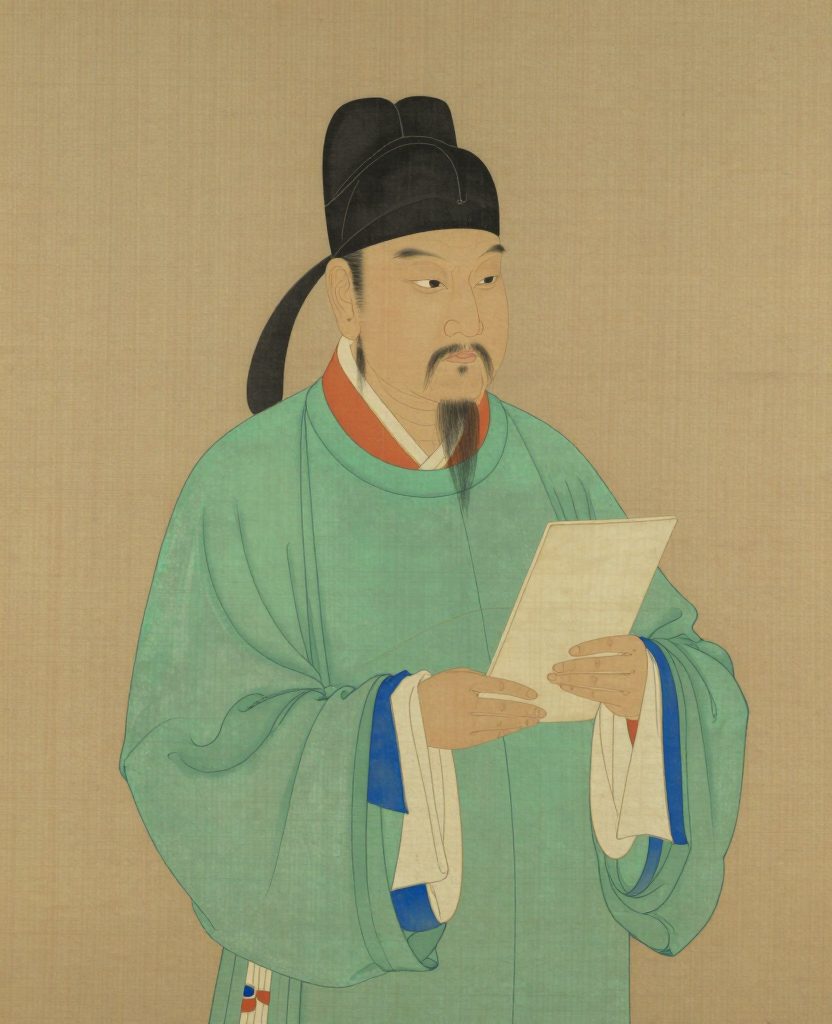
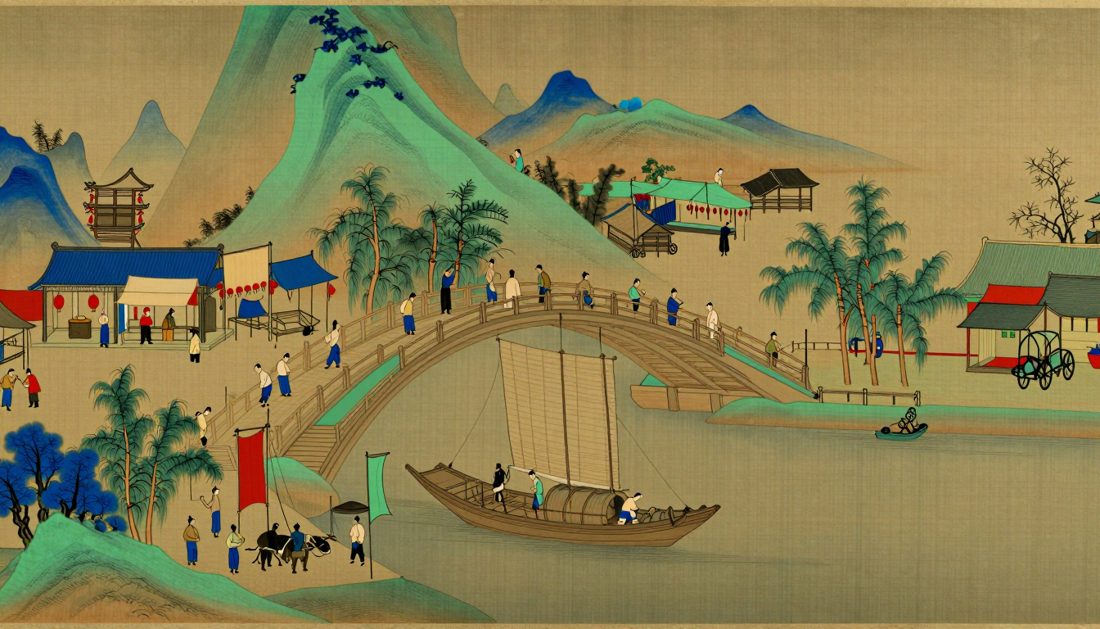
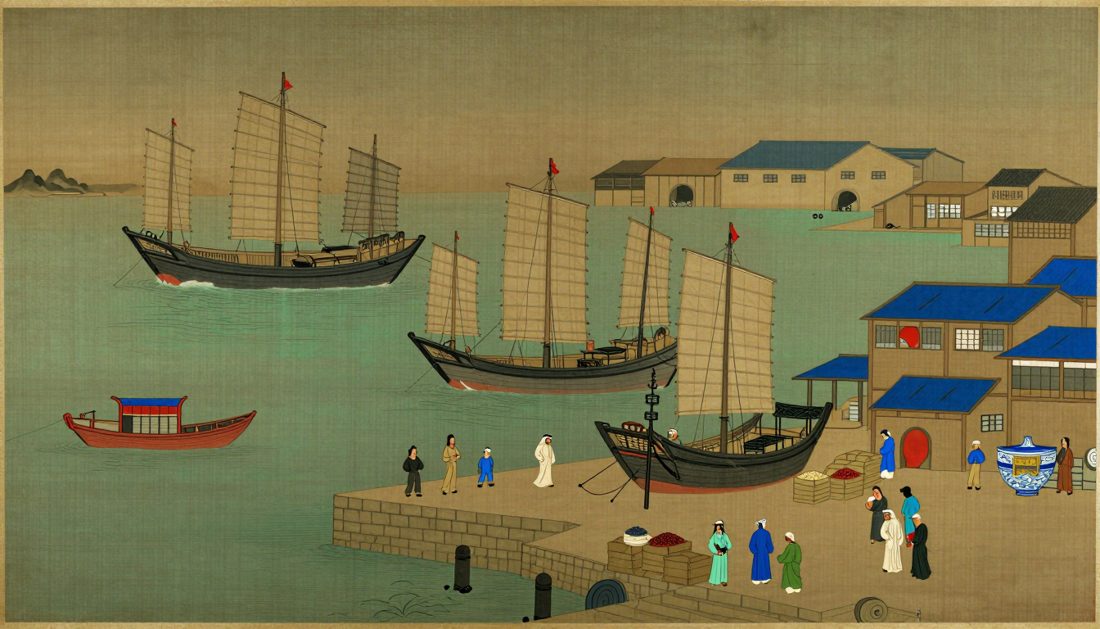
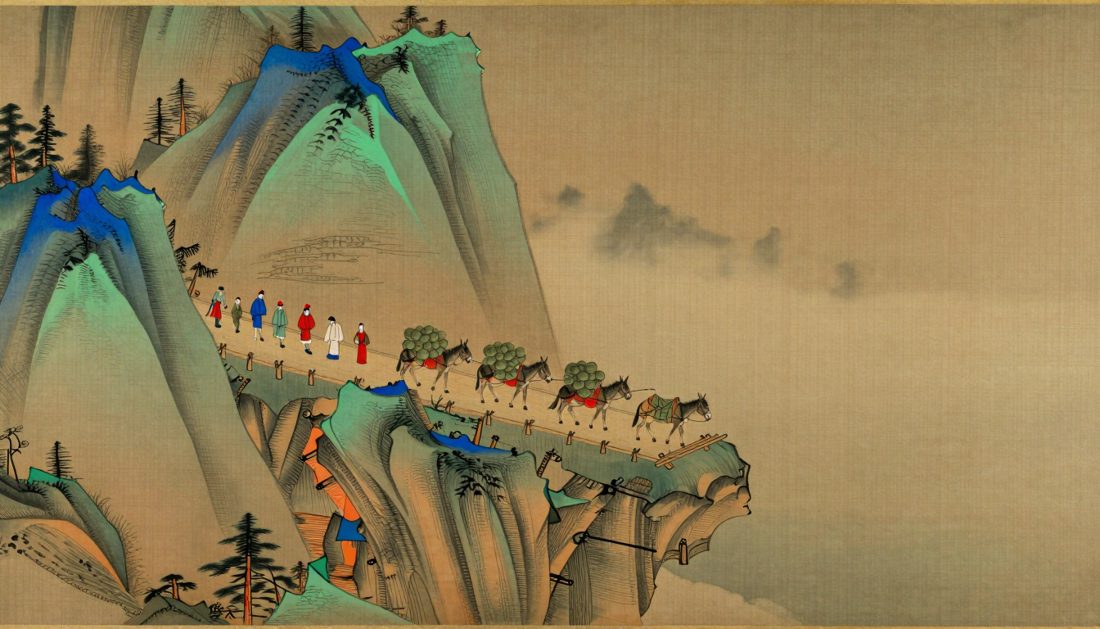
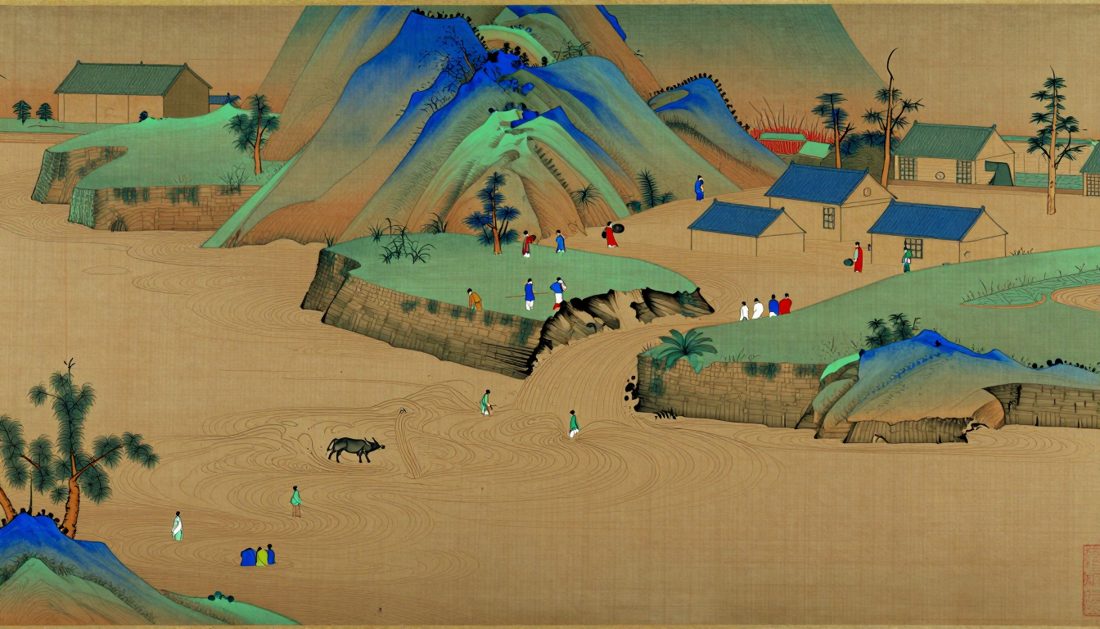
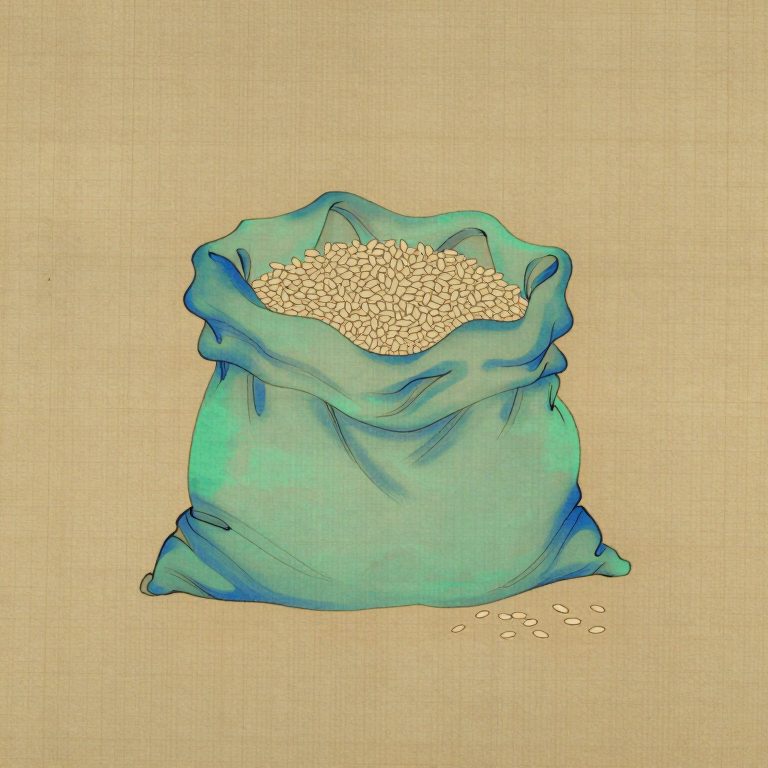
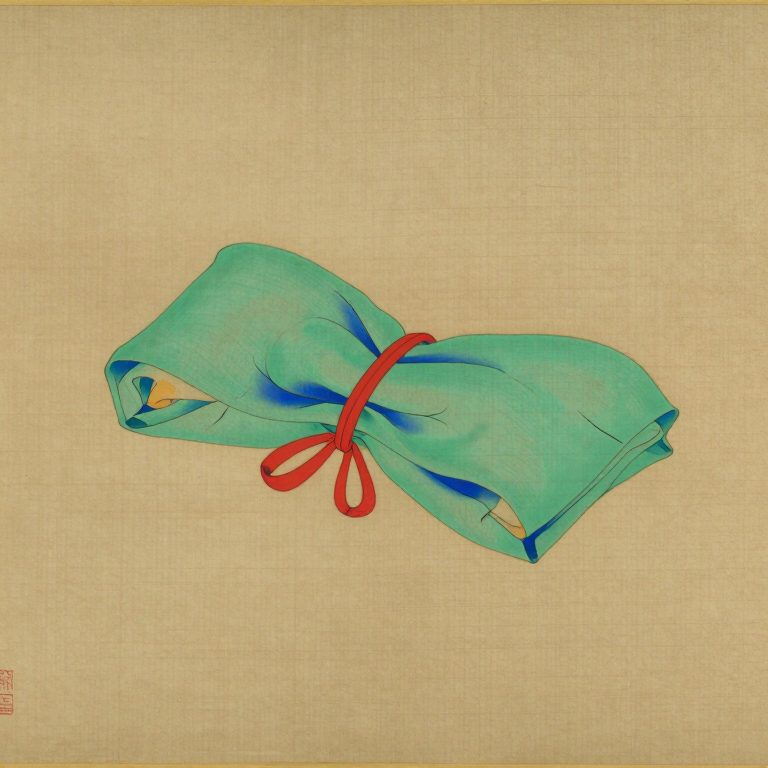
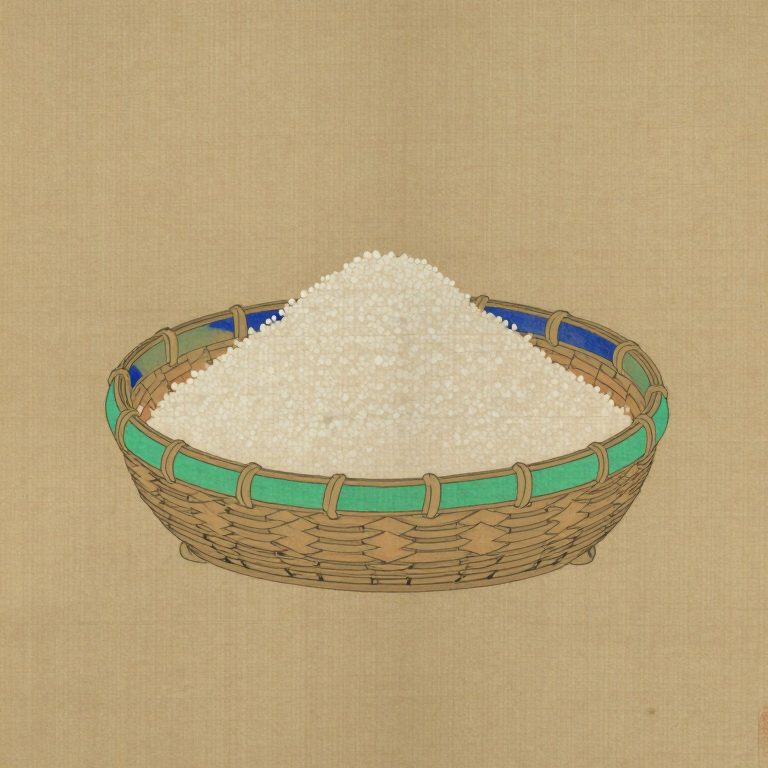
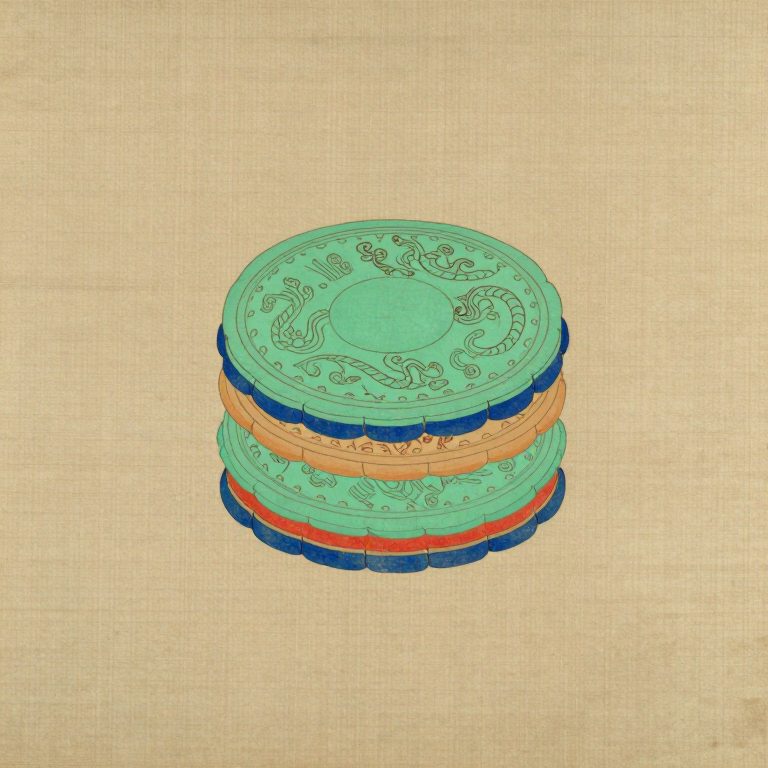
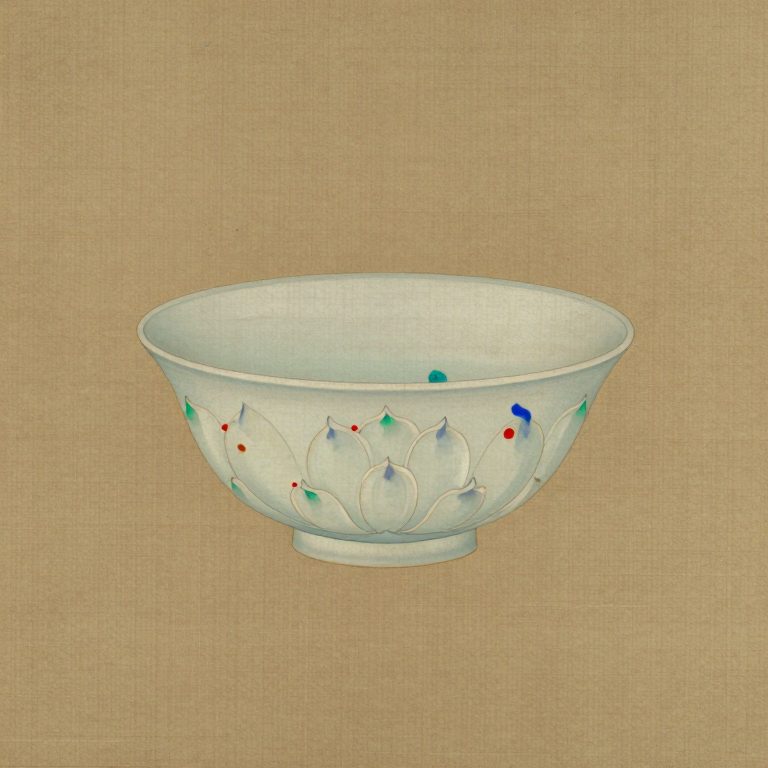
All 18 look like the work of one painter.
The men share one face. Each role needs its own face references.
The edit model keeps a person recognisable through ageing and new clothes.
The style's green spills onto goods. Icons need their own, plainer style text.
About 8 seconds an image; the full realm's art takes a few hours of GPU time.
Period details slip, so every image needs checking.
Built in the browser
- The simulation is pure TypeScript and also runs headless in Node for tests
- The map is drawn in code from this same open data, with map modes for prices, trade flow, population and circuits
- A desktop build can come later through Tauri; Godot is the fallback
- Everything from the 九州 mod carries over: the design, the research tables, the test method, and about 1,500 of its 6,058 lines, rewritten
Words to write
| First playable | Realm | |
|---|---|---|
| Goods | 25 | 80 |
| Provinces | 98 | 313 |
| Named people | 15 | 100+ |
| Events with choices | 40 | 200+ |
| Words | 20 k | 120 k |
Your calls
Each needs your answer before tier 1 starts. The recommended choice comes first.
- EngineTypeScript in the browser recommended, or Godot for a native desktop game from day one
- Province grainPrefectures, 313 recommended, now; counties, ~1,250, later or from the start
- First areaThe eastern core at full density, 98 provinces recommended, or the whole realm from the start
- The house3–5 kin on a daily clock recommended; and whether 1127 is a hard end
- HistoryScripted turning points with an emergent economy between them recommended, or emergent only
- CombatNone: bandits and war only as risks and events recommended
- LanguageChinese first, or Chinese and English together
- Art style工笔 on silk, as tested, or ink and woodblock, or another
- UnitsThe period's 石, 斤, 匹 and 貫, with tooltips recommended
- IntentA personal project, or a Steam release, which brings licence checks
A deep economy isn't a game yet, and 313 provinces need map modes and good panels to stay readable. Tier 1 tests both.
The map's coast and the lower Yellow River are still partly modern and need correcting by hand.
The art comes from the partner's GPU box, and keeping hundreds of faces apart is unproven.